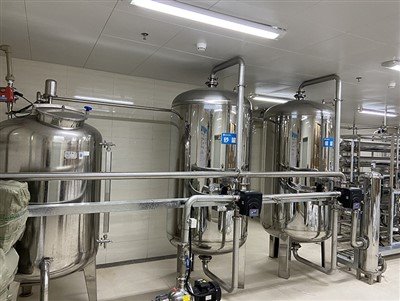
The maintenance cost of a pure water system depends on the type of equipment, usage scenario, and management method. Proper operation and maintenance can significantly reduce expenses.
Maintenance Cost Composition and Optimization Potential
The maintenance cost of a pure water system mainly consists of the following parts, with energy consumption and consumables being the largest expenditure items:
Energy Consumption Costs (35%-45%): Reverse osmosis high-pressure pumps and EDI module power supplies are the main power-consuming units. Using an intelligent control system (such as a PLC) can dynamically adjust the operating power according to water demand, saving 10%-15% in energy. For example, an electronics company saved approximately 84,000 yuan in electricity costs annually through off-peak operation and frequency conversion control.
Consumable Replacement (25%-30%): This includes RO membranes, filter cartridges, resins, etc. "Passive replacement" according to a fixed cycle easily leads to waste. Establishing an "on-demand replacement" mechanism, based on indicators such as a 15%-20% decrease in permeate flow rate or a decrease in desalination rate, can extend the RO membrane life to 3-4 years, saving tens of thousands of yuan per replacement.
Chemicals and Waste Treatment (15%-20%): Traditional mixed-bed processes require acid-base regenerators, resulting in high procurement costs and waste treatment fees. EDI technology enables "chemical-free regeneration," eliminating chemical costs and reducing waste discharge by over 80%.
Labor and Maintenance Services (10%-15%): Non-automated equipment requires dedicated personnel for monitoring; systems equipped with online monitoring only require periodic inspections. Modular design allows for individual replacement of faulty components, reducing downtime from 48 hours to 8 hours, significantly reducing production losses.