Technical Principles and System Composition
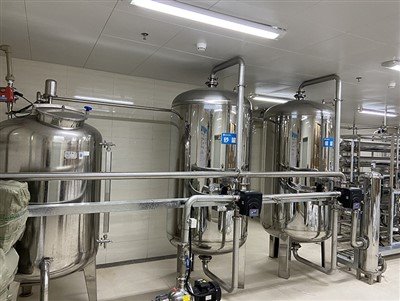
EDI (Electrodeionization) technology combines the advantages of electrodialysis and ion exchange resins. Under the influence of a DC electric field, it achieves the directional migration of ions in water and continuous regeneration of the resin, eliminating the need for acid and alkali chemical regeneration in traditional processes. A typical industrial ultrapure water system usually consists of a pretreatment unit (multi-media filtration, activated carbon adsorption, softening), a reverse osmosis unit, and the core EDI ultrapure water unit.
According to industry application data, systems using EDI technology can reduce operating costs by approximately 20%-35% compared to traditional mixed-bed processes, and the resistivity of the produced water is stably maintained near the theoretical upper limit of 18.2 MΩ·cm (25℃), fully meeting electronic and pharmaceutical grade water standards. This all-physical treatment mode effectively avoids the environmental risks of chemical waste discharge and aligns with the policy direction of green manufacturing.
Application Scenarios and Quality Assurance
In the electronics industry, even trace amounts of impurity ions during production can cause chip short circuits or device failures. Therefore, industrial ultrapure water systems are required to have high desalination rates and microbial control capabilities. For example, a semiconductor packaging company, after introducing an EDI ultrapure water unit, has maintained continuous operation for over three years without any mixed-bed regeneration shutdowns. The product water quality compliance rate has remained stable at over 99.7%, significantly improving production line yield.
Furthermore, in fields such as boiler feedwater, medical device cleaning, and cosmetics manufacturing, these systems are gradually replacing traditional ion exchange equipment due to their high degree of automation, stable effluent quality, and small footprint. From a technological maturity perspective, the membrane stack life of EDI modules generally reaches 5-8 years. Combined with intelligent online monitoring instruments, fully automated, unattended operation can be achieved, significantly reducing manual maintenance costs and the risk of operational errors.