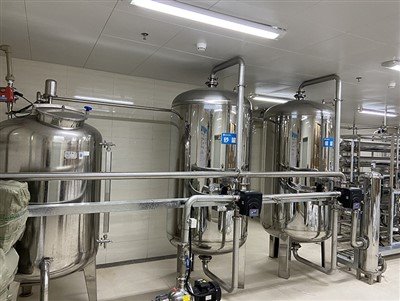
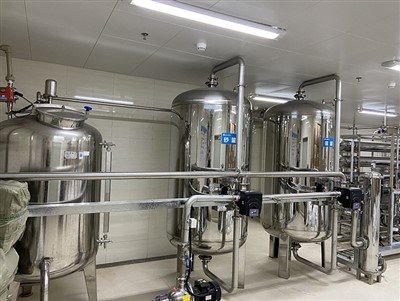
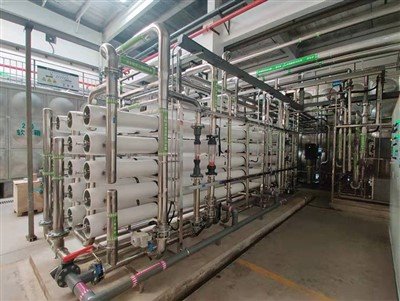
An RO EDI System for Food Processing is a combination of Reverse Osmosis (RO) and Electrodeionization (EDI) technologies used to produce ultrapure water (UPW) for various food production processes. This system is essential in food manufacturing industries where high water quality is critical for ensuring product safety, taste, and consistency, as well as maintaining hygiene standards in the manufacturing environment.
How an RO EDI System Works for Food Processing
The RO-EDI system combines two stages of water purification, reverse osmosis (RO) and electrodeionization (EDI), to create ultrapure water. Here's how each component contributes to water treatment in food processing:
1. Reverse Osmosis (RO)
- Initial Filtration: The water first undergoes pre-treatment, which may include carbon filtration, softening, and sediment removal, depending on the raw water quality.
- Reverse Osmosis Process: The pre-treated water is then passed through a reverse osmosis membrane. During this process, water is forced through a semi-permeable membrane under pressure, which removes up to 95-99% of dissolved salts, minerals, organic materials, and contaminants. This significantly lowers the Total Dissolved Solids (TDS) and reduces any harmful substances like chlorine, bacteria, and other impurities in the water.
- Membrane Rejection Rate: RO membranes typically have a rejection rate for TDS and contaminants between 75% and 90%.
- Water Recovery: This system has a water recovery rate of approximately 75-85%, meaning a large percentage of the input water is purified, while the rest is discharged as concentrate (waste).
2. Electrodeionization (EDI)
- After the RO process, the water is passed through the EDI unit to further deionize and purify the water to ultrapure standards.
- Ion-Exchange and Electric Regeneration: EDI uses ion-exchange resins and an electric field to remove any remaining dissolved ions (such as sodium, calcium, chloride, and sulfate). The electric field regenerates the ion-exchange resins without the need for chemicals.
- Regeneration: Unlike traditional ion-exchange systems that require chemical regeneration, EDI regenerates its resins automatically using an electric current, making the system chemical-free and environmentally friendly.
- Purity Levels: The water produced through EDI typically reaches resistivity levels greater than 18.2 MΩ·cm, making it ultrapure and suitable for food processing, where any contaminants could affect product quality or safety.
3. Polishing Filters (Optional)
In some cases, polishing filters may be added after the EDI process to ensure that any remaining particulate matter, organic material, or micro-contaminants are removed, further ensuring the highest level of water purity for food processing applications.
Applications of RO-EDI Systems in Food Processing
1. Beverage Production:
Bottled Water: Ensures the water is free from contaminants that could affect taste and safety.
Soft Drinks and Juices: Provides purified water for manufacturing, ensuring consistency and quality without contamination from dissolved solids or microorganisms.
2. Dairy Processing:
Water is used for cleaning dairy equipment, milk processing, and in the preparation of dairy products like cheese, yogurt, and butter.
Ultrapure water ensures hygiene and prevents microbial contamination during dairy processing.
3. Food Manufacturing:
Water used in food production, such as sauces, soups, processed meats, and ready-to-eat meals, must meet high-quality standards. An RO-EDI system ensures the water used for ingredient preparation and cleaning does not introduce impurities.
4. Cleaning and Rinsing:
Cleaning Equipment: Water used for cleaning food production equipment, pipes, and containers needs to be free from chlorine, minerals, and microorganisms to avoid cross-contamination.
Ingredient Rinsing: Fresh produce, such as vegetables and fruits, can be rinsed with ultrapure water to remove dirt, pesticides, and contaminants without introducing new impurities.
5. Water as an Ingredient:
In many food products, water is a key ingredient. Using ultrapure water in product recipes ensures that the final product's quality, taste, and safety are maintained.
Benefits of RO-EDI System in Food Processing
1. High-Quality Purified Water:
RO-EDI systems ensure that water meets ultrapure standards, making it suitable for even the most sensitive food processing applications. This helps preserve the integrity and safety of food products.
2. Environmentally Friendly:
Chemical-Free Regeneration: EDI systems use electricity for resin regeneration, eliminating the need for harsh chemicals, making it more eco-friendly than traditional water purification methods.
Water Recovery: The system maximizes water recovery, minimizing waste and reducing environmental impact.
3.Consistency and Reliability:
The system continuously delivers consistent water quality, ensuring that food production processes remain stable and that contamination risks are minimized.
4.Cost-Effective:
Lower Operational Costs: With chemical-free regeneration and low maintenance, the overall costs of operating an RO-EDI system are lower compared to conventional water purification methods.
Reduced Chemical Use: There is no need for chemicals to regenerate the system, reducing the costs and environmental impact of handling, storing, and disposing of chemicals.
5.Energy Efficiency:
While reverse osmosis requires high pressure to operate, energy recovery devices can be incorporated to make the system more energy-efficient, reducing operating costs.
6. Improved Hygiene and Safety:
Microbial Control: RO-EDI systems remove bacteria, viruses, and pathogens, improving hygiene and food safety by preventing microbial contamination.
Low Maintenance:
The automatic regeneration in EDI systems and the reduced chemical usage contribute to lower maintenance requirements, saving time and labor costs for operators.
Water Quality Specifications for Food Processing
- Resistivity: >18.2 MΩ·cm (essential for sensitive applications like beverage production, dairy, and food manufacturing)
- TDS (Total Dissolved Solids): Less than 10-20 ppm
- Silica: <0.05 ppm (important to avoid scaling and contamination in food products)
- TOC (Total Organic Carbon): Very low, typically <10 ppb
- Particles: <1 ppb (to prevent contamination in the final food products)
Conclusion
An RO EDI system for food processing is an advanced solution that provides ultrapure water needed for high-quality food production. Whether it's for beverage manufacturing, dairy processing, or ingredient preparation, this system ensures that the water used in food processing is free from contaminants, thus maintaining product quality, safety, and consistency. The system also offers environmental sustainability, cost-efficiency, and low maintenance, making it an ideal choice for modern food processing facilities.
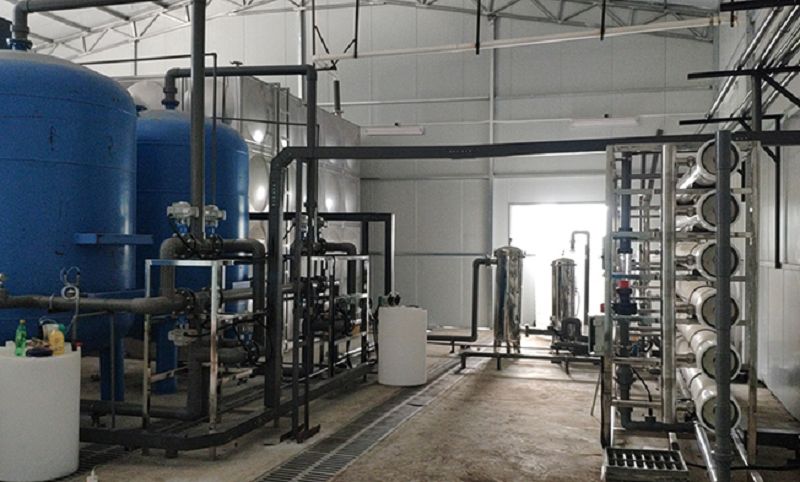
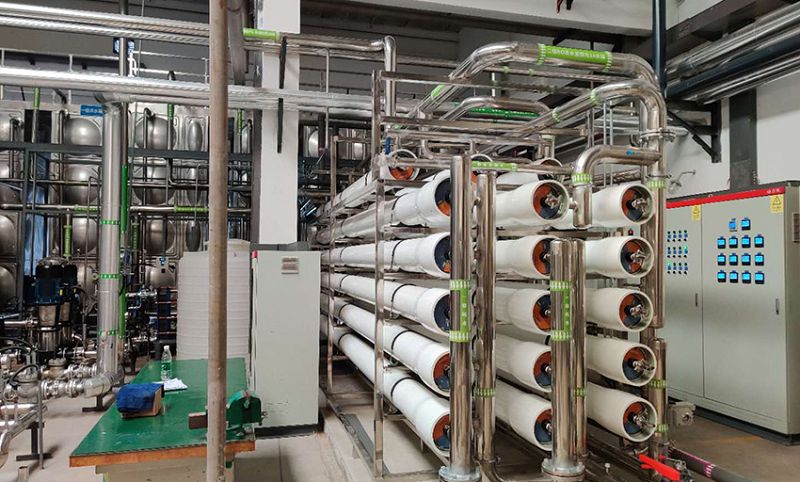
Successful Cases

Our Service
a.We provide full technical support and after equipment installation.
b.We help to train operator of the system. And detailed operating manual is provided.
c.7*24 hours phone assistance on technical support.
d.We provide consumable and spare parts in the long-term for cost price.
Hot Tags: ro edi system for food processing, China ro edi system for food processing manufacturers, suppliers, factory, bwro water treatment, continuous electrodeionization system, edi high purity water plant, edi water purification system, EDI Water Purification System For Bioengineering, High Purity Water Treatment Systems For Pharmacy