Types of Cleaning Machines
While ultrasonic cleaning machines operate in a fundamentally similar manner, different types of cleaning systems include benchtop or benchtop systems, turnkey systems, and large industrial systems. Turnkey benchtop units are often most suitable for cleaning small parts with the same type of contaminants. These compact systems are integrated on a small surface and operate at 120 V and a single frequency. The selected frequency is matched to the parts to be cleaned and the dirt to be removed, while the small tank allows for effective cleaning at lower power.
Benchtop cleaning machines are larger and can be integrated turnkey systems or assembled from individual components. Choosing separate ultrasonic generators and transducers increases the flexibility of cleaning operations and allows for cleaning many different types of parts and removing different contaminants. The generators and transducers can be switched to obtain different frequencies as needed, or they can operate at multiple frequencies.
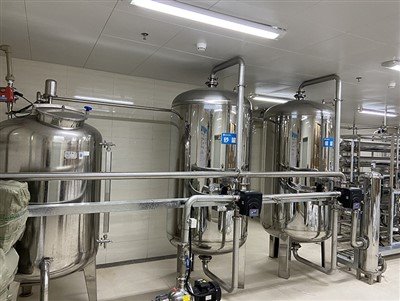
Large industrial systems are characterized by tanks that can accommodate long or large products. The ultrasonic generator is installed separately and may require multiple transducers to fill the tank with ultrasonic waves. The design of these systems is crucial to ensuring uniform ultrasonic cleaning throughout the tank.
Choosing the Right Cleaner Characteristics
To ensure the selected industrial ultrasonic cleaner functions as intended, it must operate at the correct frequency and provide the necessary power for the application. The sensor can be mounted in a water tank or be a loose immersion device. The cleaning tank can contain pure water, or the cleaning solution can contain a mild detergent or solvent. For some applications, heated cleaning solutions can improve cleaning performance.
The choice of cleaning frequency is crucial for quickly and thoroughly removing dirt while avoiding damage to the object being cleaned. A cleaning frequency range of 20 to 40 kHz offers relatively fast cleaning but may corrode the surface of delicate objects. High-frequency cleaners offer a gentler cleaning method but require a longer time to remove dirt. The ideal choice is the lowest frequency that the part to be cleaned can withstand. Once the frequency is selected, the system power must be high enough to ensure the water tank is evenly filled with sound waves.
When using an existing cleaning tank, a standalone immersion sensor is often the simplest solution. For systems with new tanks, choosing a tank with a built-in sensor avoids sensor placement and vibration issues. When using heated cleaning solutions, a heated tank is required. If the cleaning solution contains solvents, a tank suitable for holding the solvents should be used.