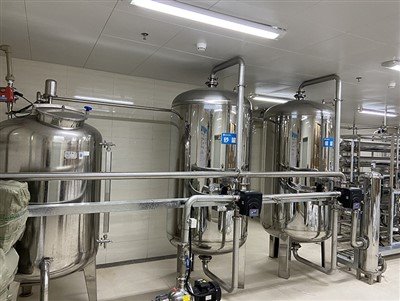
Ultrasonic cleaners can handle a wide variety of contaminants; they can remove dirt from any type of object. Choosing the right ultrasonic cleaner is crucial, especially for ultrasonic cleaning equipment. Not every ultrasonic cleaner is the same; the right machine should be selected to meet the specific needs of your company. Before purchasing an ultrasonic cleaner, buyers should determine their ultrasonic cleaning needs and objectives.
Cleaning Part Size
When cleaning large items or parts with an ultrasonic cleaner, comprehensive measurements of the large items should be taken and provided to the manufacturer so that a suitable tank can be specified.
Cleaning Objectives
Ultrasound is the most thorough cleaning process known scientifically. Therefore, this method is used in countless applications worldwide today. Using an ultrasonic cleaner significantly reduces the time required to clean parts compared to manual cleaning methods. As a result, throughput is significantly increased while reducing cleaning costs.
Using the Right Basket/Shelf
Items being cleaned must not come into contact with the ultrasonic transducers located inside the tank. Part baskets should be used and selected specifically for the cleaning application. Any part or basket that comes into contact with the ultrasonic transducer assembly will eventually result in corrosion or scratches on the assembly surface. Even if the transducer pack is made of stainless steel, corrosion will occur once it happens, eventually compromising the integrity of the transducer pack. This damage is irreparable, and the transducer pack will eventually need to be replaced.
Ultrasonic cleaners generate heat during operation.
Heat rises during cleaning due to friction from cavitation activity within the cleaning container. This temperature increase is unavoidable. A heater is needed to heat the cleaning solution to the required starting temperature. These are also essential when cleaning contaminants such as carbon oil and grease residues. High temperatures help break down these contaminants, thus better facilitating the cleaning process.
Generator Adjustability and Wave Scanning
Wave scanning is used and recommended in almost all cleaning situations. By dispersing various frequencies of different wavelengths, wave scanning effectively eliminates active and dead zones in the cleaning tank. This allows for more even and efficient cleaning of all parts, especially those with intricate details. Ultrasonic cleaners equipped with wave scanning do not require a degassing mode because wave scanning accelerates the degassing of the solution.